10 Different Types of Statement Vases
Most homes have a cupboard full of vases that only come out when someone brings flowers. They're usually plain glass cylinders that do their job and then disappear back onto a shelf. A statement vase is different. It's interesting enough to stand on its own, with or without anything in it, and it can become the focal point of a console, a dining table or an empty corner.
That makes a statement vase one of the easiest ways to add personality to a room without painting, buying furniture or committing to a big change. A single striking piece can pull together the colors in a room, add height to a flat arrangement or bring a little texture to a space that feels too smooth and new.
The tricky part is knowing which kind to choose, because statement vases come in many shapes, sizes and materials. This guide walks through 10 different types of statement vases, what each one is best at, where it works in the home and how to style it, so you can find the right piece for your space.
1. Oversized Floor Vases
A floor vase is the boldest way to make a statement. Because it stands on the floor rather than on a table, it fills vertical space in a way most decor can't, and it's especially useful in corners that feel empty but don't have room for furniture.
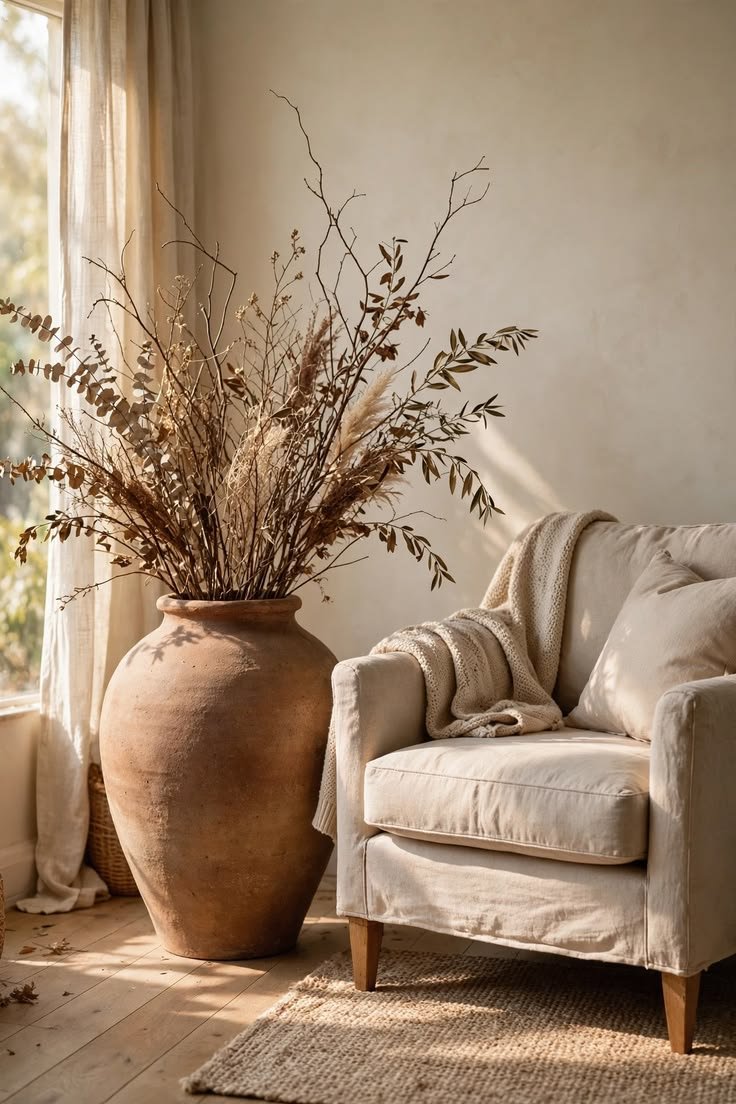
Floor vases work well beside a fireplace, at the end of a hallway, next to a console or flanking an entry door. Fill them with tall dried branches, pampas grass or a few long stems of eucalyptus for height without a lot of upkeep.
The key is scale. A floor vase that's too small looks like it was forgotten on the floor. Choose one that holds its own next to nearby furniture, and if you're unsure, go slightly bigger rather than smaller.
Stability matters too, especially in homes with children or pets. Look for a vase with a wide, heavy base, and keep it out of busy walkways where it could be knocked over.
2. Sculptural Ceramic Vases
Sculptural vases are less about holding flowers and more about shape. Think curving, asymmetrical forms, vases with cut-out holes or loops, or pieces that look more like modern sculpture than something you'd put tulips in.
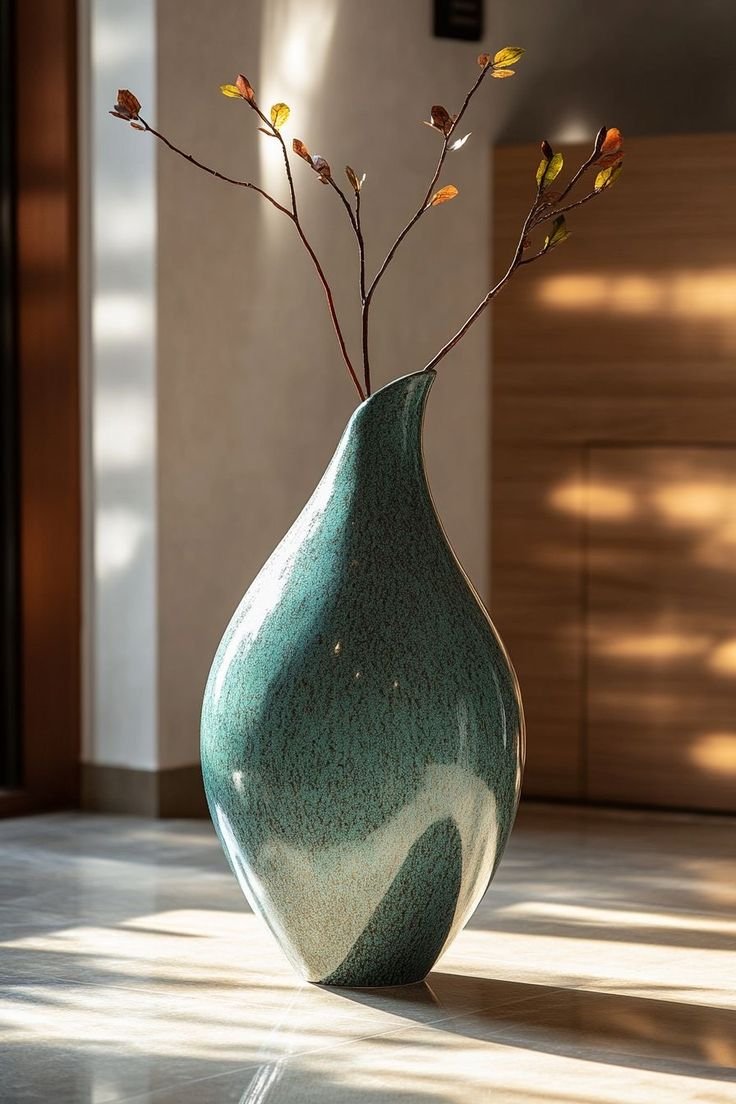
They're perfect for people who like a clean, minimal home but still want something interesting to look at. A sculptural vase on a bookshelf, side table or console adds character without adding clutter, because the shape itself is the decoration.
These vases usually look best empty or with a single stem. A full bouquet tends to hide the shape you chose it for. If you do want greenery, try one simple branch angled to follow the vase's curve.
Matte finishes in white, cream, sand or charcoal keep the focus on form. Give a sculptural vase some space around it, too. Crowding it with other objects makes it lose the impact that made it special.
3. Footed and Pedestal Vases
A footed vase sits on a raised base or pedestal, which lifts the arrangement and gives it an elegant, slightly classic look. Think of the shape of a goblet or a traditional urn.
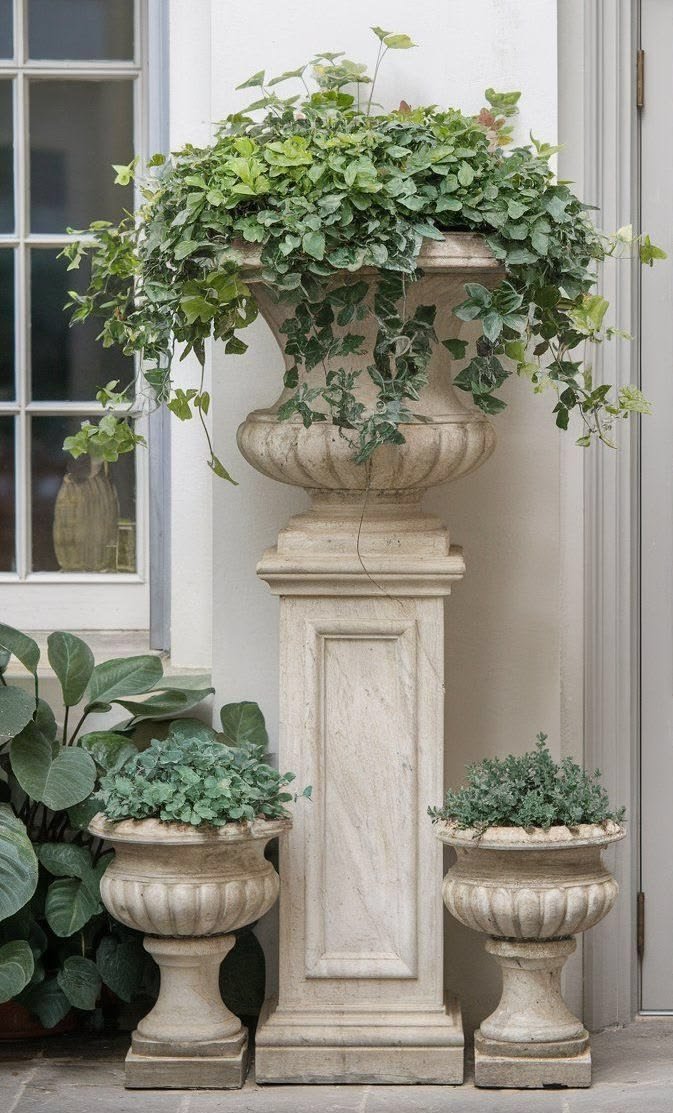
This lift is very practical on a dining table. It raises flowers above the plates so the table feels full and abundant, while a slim base keeps the footprint small and leaves room for dishes. It also works beautifully on a mantel or sideboard, where the extra height helps the arrangement stand out.
Footed vases suit loose, spilling arrangements. Trailing greenery, garden roses or a mix of seasonal stems that drape over the edge look especially good, because the pedestal gives them somewhere to fall.
You'll find them in everything from ceramic and glass to metal. A matte ceramic pedestal vase looks relaxed and modern, while one in brass or silver suits a more formal or traditional room.
4. Textured Stoneware and Terracotta Vases
If your home feels a little too sleek or new, a textured vase is an easy fix. Rough stoneware, unglazed terracotta and vases with a speckled, sandy or ridged surface bring an earthy, handmade quality that softens a room.
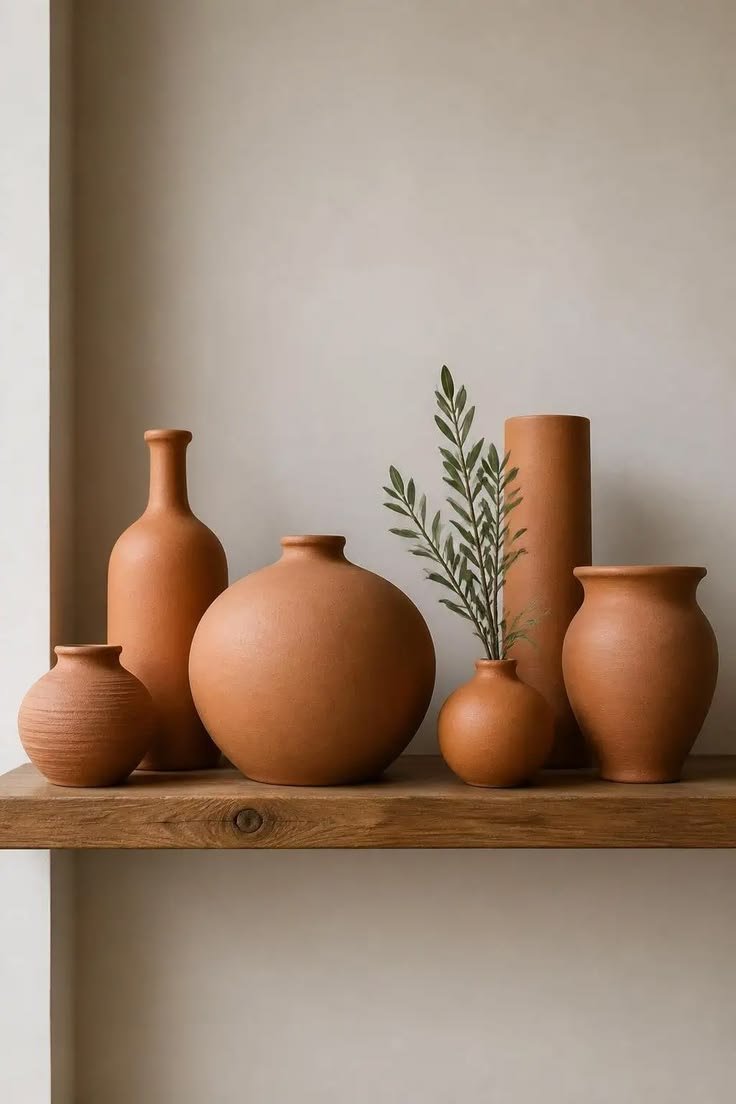
These vases pair naturally with organic materials such as linen, wood, rattan and jute. They suit Mediterranean, rustic, Japandi and boho styles especially well, though a single textured vase also adds warmth to a modern room that's mostly smooth surfaces.
Many terracotta and unglazed ceramic vases are porous, which means they may not hold water well and can leave marks on furniture. If you want to use one with fresh flowers, place a glass jar or plastic liner inside to hold the water. For dried stems, you don't need to worry.
For styling, dried arrangements work particularly well with textured vases. Bunny tails, dried wheat, olive branches and sea lavender all look natural against a rough, earthy surface.
5. Colored Glass Vases
Colored glass brings light into a room in a way solid vases can't. When the sun hits amber, smoky green, cobalt blue or rose-tinted glass, it throws a soft wash of color onto the surrounding surfaces, and the whole vase seems to glow.
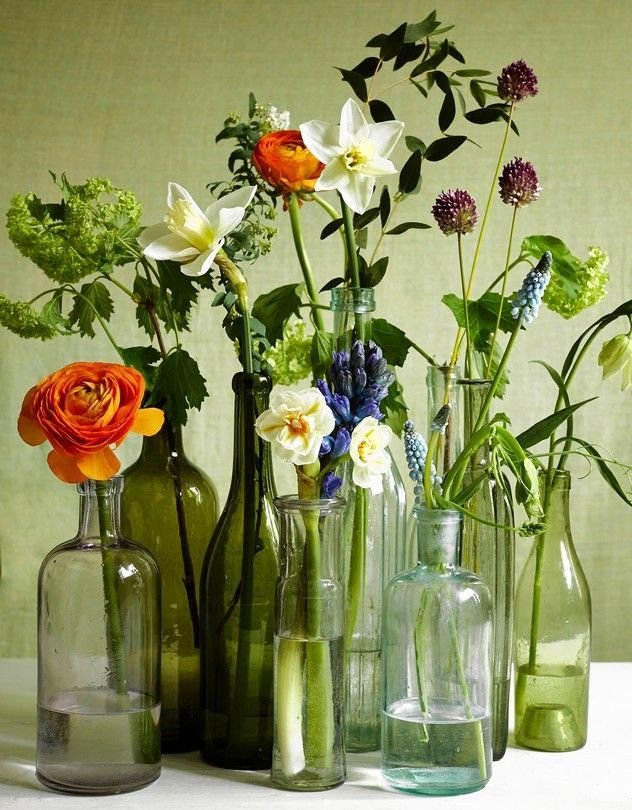
Placement makes all the difference. A colored glass vase on a windowsill, near a lamp or on a table that gets afternoon sun will look completely different from one tucked in a dark corner.
Colored glass vases look good in groups. Try three vases of different heights in the same color family, such as two shades of amber and one smoky brown. They feel collected rather than random, and you can add a single stem to each for a light, simple look.
Because the glass is see-through, the stems and water are part of the display. Change the water often and trim stems below the waterline, since cloudy water or messy stems show much more in colored glass than in a solid ceramic vase.
6. Ribbed and Fluted Vases
Ribbed and fluted vases have vertical grooves or raised lines running up their sides. They're simple and elegant, and they add texture in a subtle way that suits almost every style.
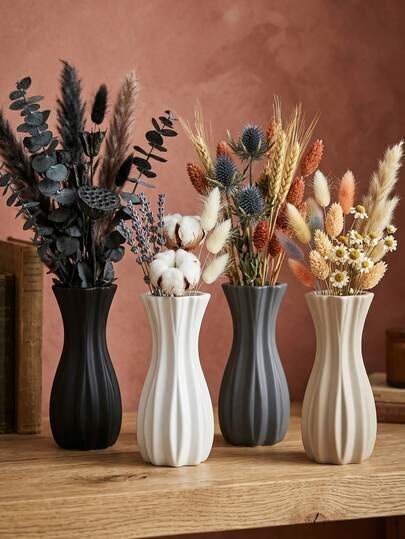
The vertical lines naturally draw the eye upward, which makes these vases feel a little taller. They catch light and shadow nicely too, so even a plain white fluted vase has more depth than a smooth one.
They're one of the easiest statement vases to style, because they work with almost anything: a loose bouquet, a single branch or nothing at all. A fluted vase also looks good in glass, where the ridges distort and bend the stems inside in an interesting way.
If you want an easy first statement vase that won't clash with your home, a fluted ceramic piece in white, cream or a soft neutral is a safe and stylish choice. Pair it with smooth objects nearby, such as a plain bowl or a stack of books, so the texture stands out.
7. Jug and Handled Vases
Jug vases, pitcher vases and vases with handles bring a relaxed, collected charm to a room. They look like something you might find at a market or inherit from a grandmother, which gives the space a warm, lived-in feeling.
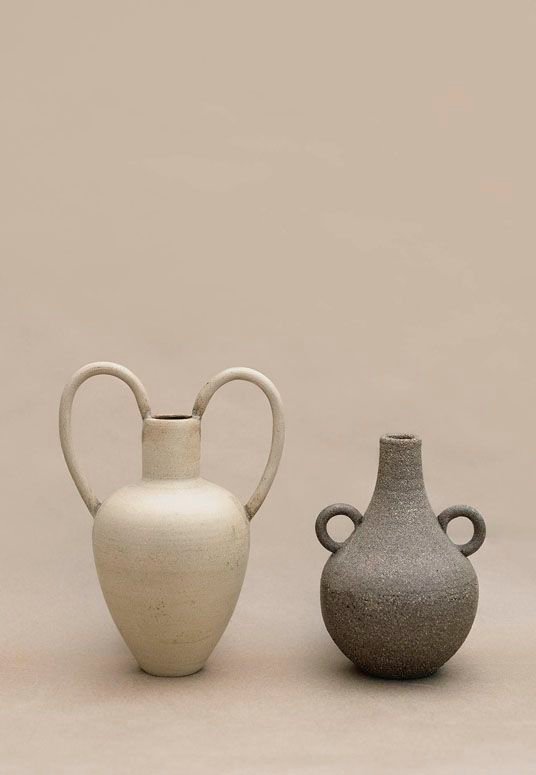
They suit farmhouse, cottage and French country homes particularly well, but a jug in a simple modern shape can work in a contemporary space too. Handles add an interesting silhouette, and they make the vase easy to move around, which is useful if you change your flowers often.
Real vintage pitchers and jugs make lovely vases if they hold water well. Before using one, fill it and leave it on a towel for a while to check for leaks.
Jugs look best with loose, slightly wild arrangements. Garden flowers, foraged greenery or a bunch of herbs like rosemary or mint look natural spilling out of a jug. Keep the arrangement relaxed rather than perfectly arranged.
8. Face and Figurative Vases
Face vases and figurative vases are made in the shape of a face, head, body or other recognizable figure. They're playful, artistic and guaranteed to start a conversation.
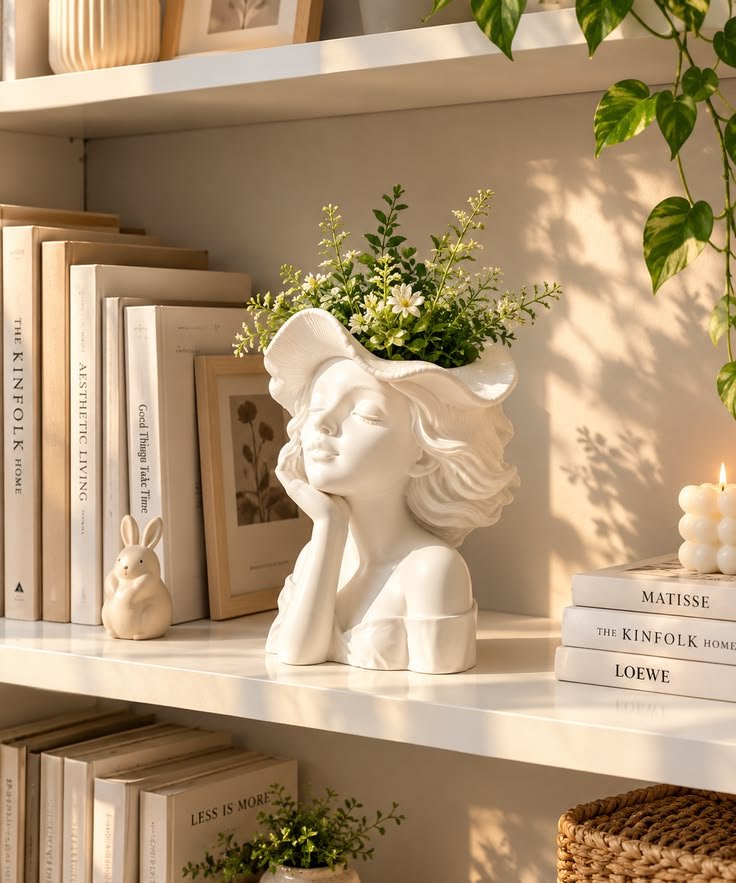
These vases work best as a single focal point rather than as part of a busy arrangement. Put one on a bookshelf, a sideboard or a bedside table, and let it be the most interesting thing in that spot.
Because the vase already has so much personality, keep the flowers simple. A few stems in one color, or even a single flower, is usually enough. Some face vases look especially charming with flowers arranged like hair, so experiment with taller and shorter stems.
If you love the look but worry it might feel too quirky, choose a figurative vase in a single neutral color, such as matte white, cream or black. That keeps the shape interesting while making it easier to fit into a calm room.
9. Bold Glazed Vases
Sometimes the easiest statement is color. A glossy glazed vase in cobalt blue, emerald green, mustard, oxblood or terracotta orange instantly brightens a shelf or table.
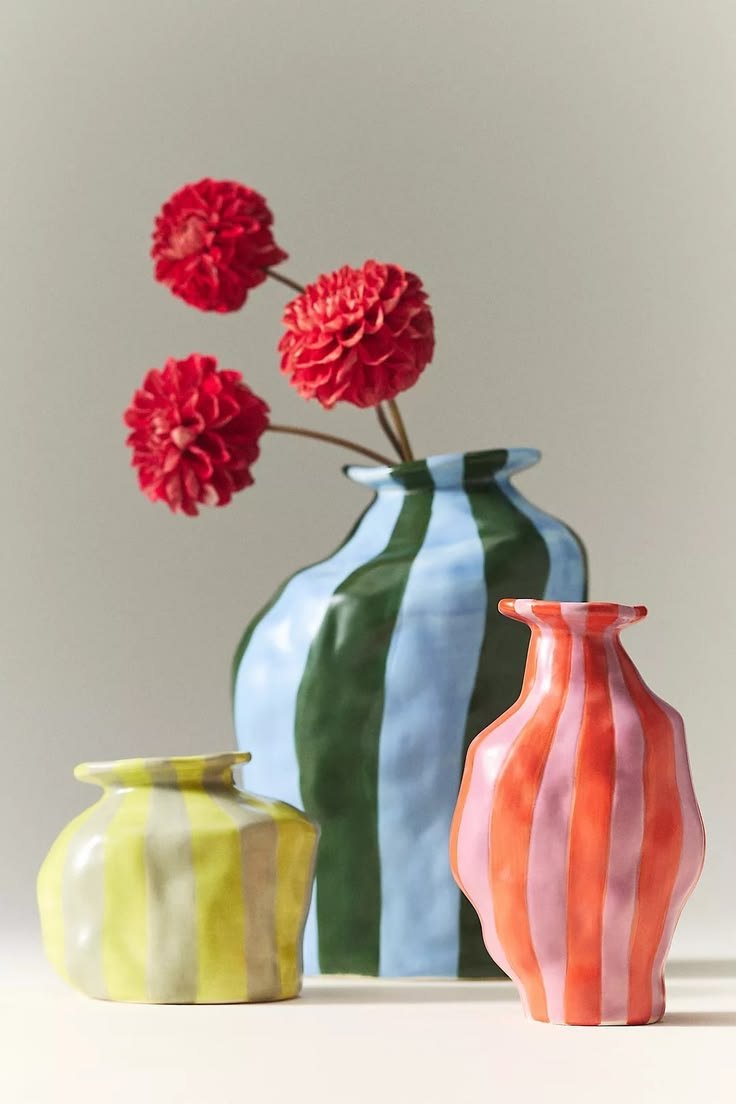
A bold vase works well in a neutral room that needs a little life. It adds a pop of color without the commitment of painting a wall or buying a new sofa, and it's easy to move if you change your mind.
One trick is to pick a vase color that repeats somewhere else in the room. If your rug has a little rust in it, a rust-colored vase on the coffee table ties them together and makes the room feel considered.
Glazes with depth, where the color pools, drips or changes slightly across the surface, tend to look richer and more handmade than a flat, perfectly even finish. Keep flowers simple and either matching or neutral, such as white blooms or plain green stems, so the vase stays the star.
10. Round Bubble Vases
Round bubble vases, sometimes called moon vases or ball vases, have a full, spherical shape with a small opening at the top. The rounded form is soft and friendly, and it creates a nice contrast with all the straight lines in most rooms.
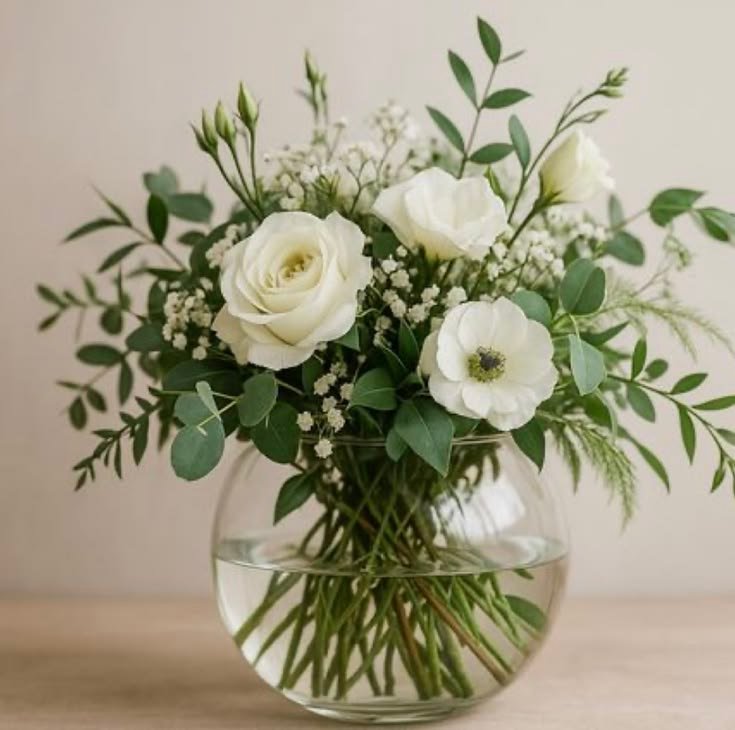
They're especially good on coffee tables, side tables and dining tables, where they add interest without blocking anyone's view. A round vase also balances taller, slimmer objects on a shelf or console.
The small opening is useful, too. It holds a few stems upright without much arranging, so even a couple of flowers from the garden or a single branch look intentional. Short, full blooms such as ranunculus, hydrangea or a handful of garden roses look especially lovely.
In clear glass, bubble vases have an airy, modern look and magnify the stems inside. In matte ceramic, they feel calm and sculptural, which suits minimal and Scandinavian rooms.
Finding the Statement Vase That Suits Your Home
A good statement vase isn't just about size or price. It's about choosing a shape, material or color that adds something your room is missing. Floor vases and footed vases bring height. Textured stoneware and terracotta add warmth. Colored glass, bold glazes and face vases bring personality, while sculptural, fluted and round vases add interest through form alone.
Start with one piece and place it where it can be seen properly, with a little space around it. Live with it for a while, try it in a few spots, and change what you put in it with the seasons.
The right vase will look good whether it's holding fresh flowers, a single branch or nothing at all.