14 Dining Table Centerpiece Ideas That Make Everyday Meals Feel Special
A dining table can look perfectly fine and still feel a little unfinished. You’ve got the chairs, the plates, maybe a table runner—but the middle of the table is either empty or holding a collection of things that don’t quite belong together. And when dinner comes around, you’re left moving everything aside just to make room for the food.
The good news is that you don’t need a large bouquet or an expensive dining table centerpiece to make the space feel more inviting. A few well-chosen objects, arranged with a little thought, can change the whole look of the room. The trick is finding something that suits your table, your decorating style, and the way you actually use the space.
These 14 dining table centerpiece ideas range from simple everyday arrangements to more seasonal displays. You’ll find options for small tables, long dining rooms, low-light spaces, and homes where the table needs to work just as hard as the rest of the furniture.
1. A Low Bowl Filled With Seasonal Fruit
A bowl of fruit is one of the easiest dining table centerpiece ideas to live with because it’s useful as well as decorative. It also has a relaxed, everyday quality that works especially well in kitchens and dining areas that don’t feel overly formal.
Choose a bowl with a shape you like, then fill it with one or two types of fruit rather than a little of everything. Green apples, lemons, pears, or oranges can each create a different look. A wooden bowl feels warm and casual, while a ceramic bowl can make the arrangement look a little more considered.
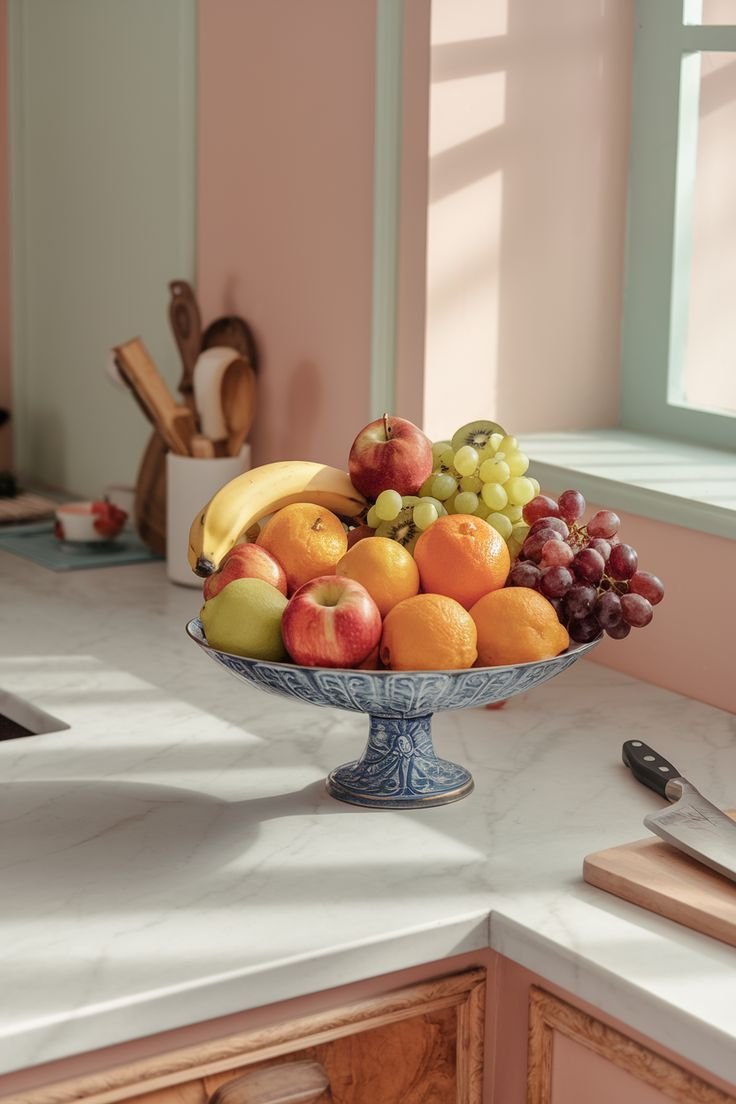
For a longer table, place the bowl slightly off-center rather than directly in the middle. This gives the arrangement a more natural appearance and leaves room for serving dishes.
If you’re using fruit that will be eaten, avoid filling the bowl so high that it becomes difficult to reach the pieces underneath. A centerpiece should make the table easier to enjoy, not create another small household chore.
2. A Simple Vase With One Type of Flower
You don’t need a complicated floral arrangement to make a dining table feel finished. In fact, a single type of flower often looks more intentional than a mixed bouquet with too many colors and shapes.
Try a narrow vase with tulips, a small bunch of daisies, or a few stems of whatever is available at your local grocery store. The important part is keeping the arrangement loose enough that it doesn’t look like it’s trying too hard.
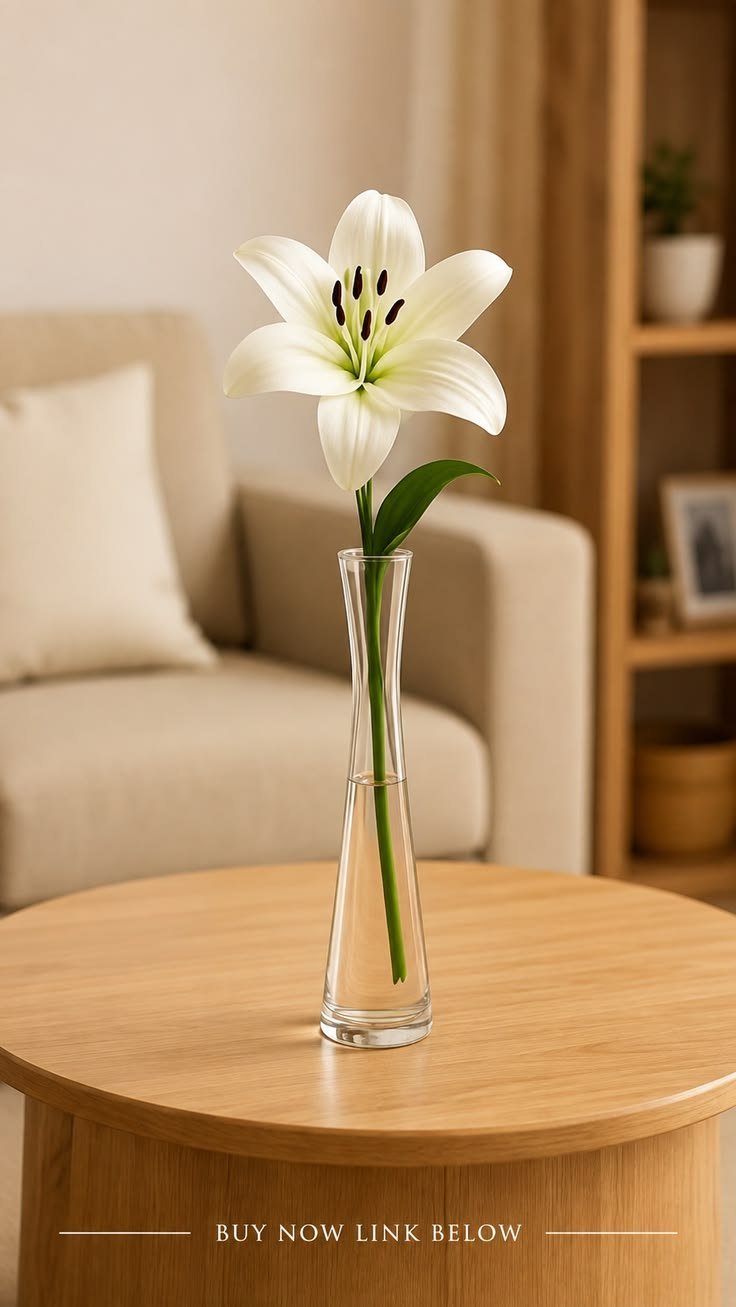
A useful trick is to choose flowers that repeat a color already in the room. If your dining chairs have warm brown upholstery, a few flowers in a soft cream or muted yellow can connect the table to the rest of the space without matching everything exactly.
For everyday use, keep the flowers low enough that people can see across the table. If the vase is tall, use it on a sideboard or move it to the table only when you’re not eating.
3. A Wooden Tray With Three Everyday Objects
A tray is especially helpful when you want your dining table to look decorated but still need to clear it quickly.
Start with a medium-sized wooden tray. Add a small vase, a candle, and a shallow bowl or decorative object. The three pieces don’t need to match, but they should share at least one visual connection—perhaps similar colors, natural materials, or a simple shape.
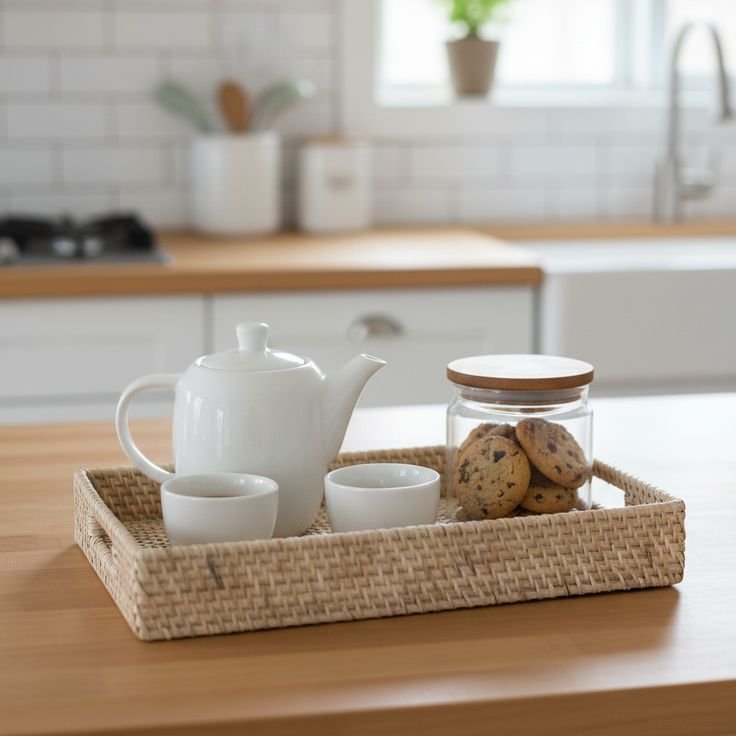
The tray gives the arrangement a clear boundary, which helps separate it from the rest of the table. It also makes cleaning easier. Instead of picking up several objects individually, you can move the whole arrangement in one go.
This works particularly well on a rectangular table where a completely centered arrangement might feel too rigid. Place the tray in the middle, then leave the rest of the table relatively open.
4. A Long, Narrow Arrangement for a Rectangular Table
A round centerpiece can look a little lost on a long dining table. If your table is rectangular, consider using a narrow arrangement that follows its length.
A simple version might include a long wooden board, two small vases, and a few low decorative objects spaced between them. You could also use a shallow planter filled with greenery, provided it doesn’t block the view across the table.
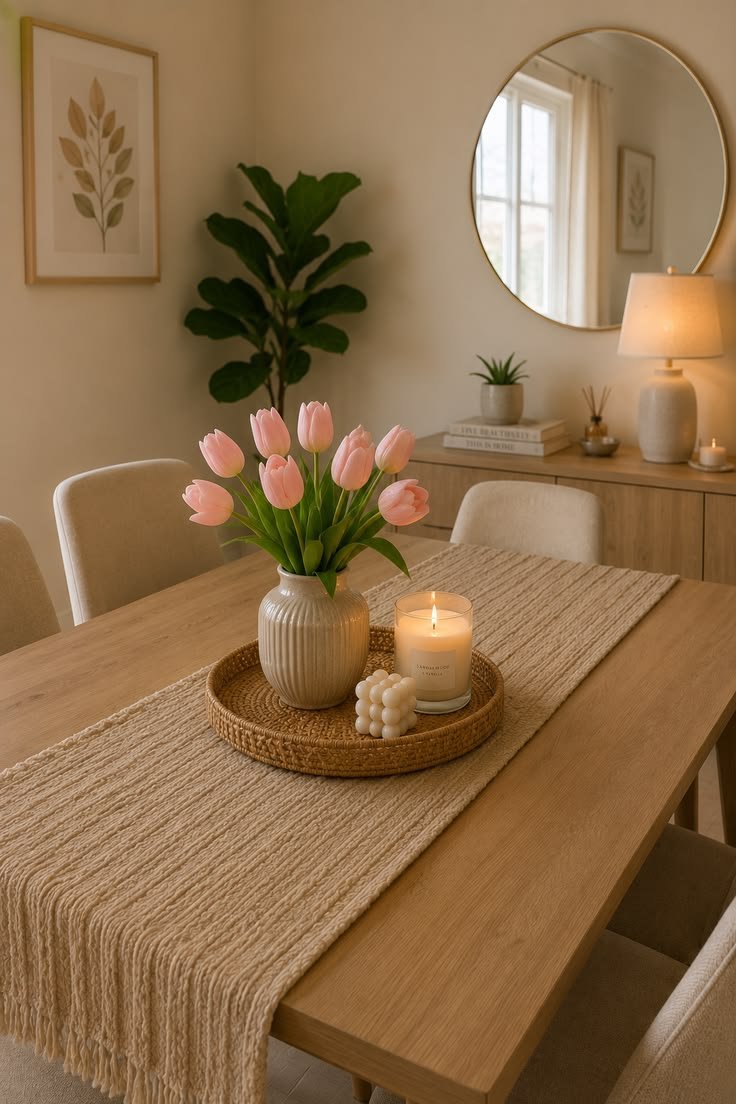
The key is to avoid making the arrangement look like a continuous wall of decoration. Leave some empty space between the objects so the table still feels open.
For a table used every day, choose pieces that can stay in place while people sit down. If you have to move the centerpiece every time someone wants to eat, it’s probably too large or too complicated.
5. A Candle Arrangement That Isn’t Too Formal
Candles can make a dining room feel warmer, but they don’t have to turn the table into a formal dinner setting.
Try grouping three candles of different heights on a small tray or shallow dish. You can use simple glass holders, ceramic candleholders, or even a few small motives. The different heights create visual interest without needing lots of decorative objects.
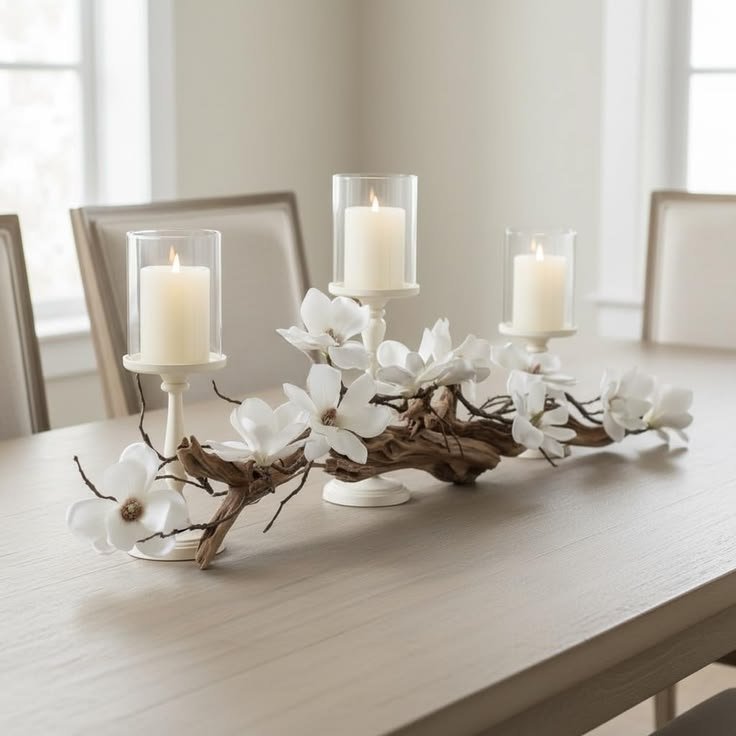
If you prefer a more relaxed look, choose candles in soft, muted colors rather than matching everything exactly. Cream, warm white, beige, or a dusty color can work well with many dining room palettes.
For safety, keep candles away from curtains, loose paper, and anything that could catch fire. If you have young children or pets, battery-operated candles can give you a similar warm glow without an open flame.
6. A Ceramic Pitcher Filled With Greenery
A ceramic pitcher is one of those household items that can do double duty as both a useful object and a centerpiece. It’s especially good if you like a dining room that feels collected rather than perfectly styled.
Fill it with a few branches of greenery, eucalyptus, or simple stems from a garden. You don’t need a large arrangement. A handful of branches with some space between them can look more natural than a tightly packed bouquet.
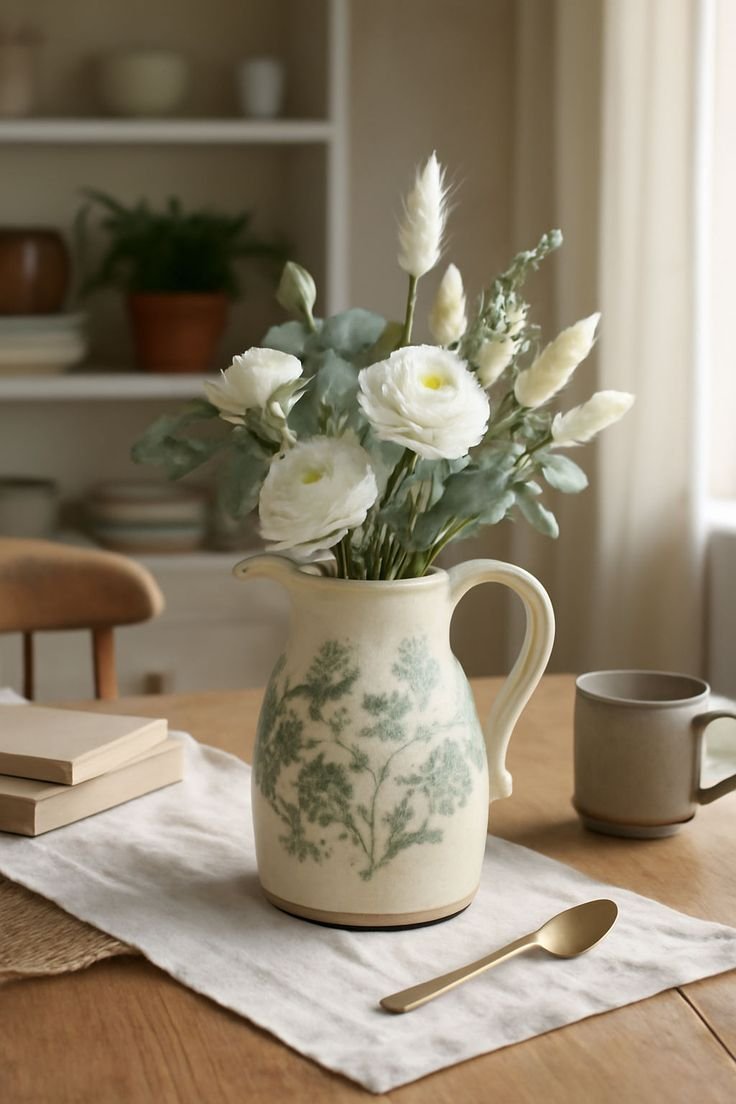
The shape of the pitcher matters more than its exact color. A slightly rounded pitcher can soften a modern table, while a straight-sided one can work well in a more minimal space.
If you’re using fresh greenery, change the water regularly and remove any leaves that sit below the waterline. For a lower-maintenance option, dried branches can work well too, especially in a room with limited natural light.
7. A Stack of Books With a Small Decorative Object
A small stack of books can make a dining table feel more personal, particularly if the room is used for reading, working, or having coffee as much as it is for meals.
Choose two or three books with attractive covers, then place a small object on top—a bowl, a candleholder, or a small vase. The arrangement works because the books create a base and the object adds height.
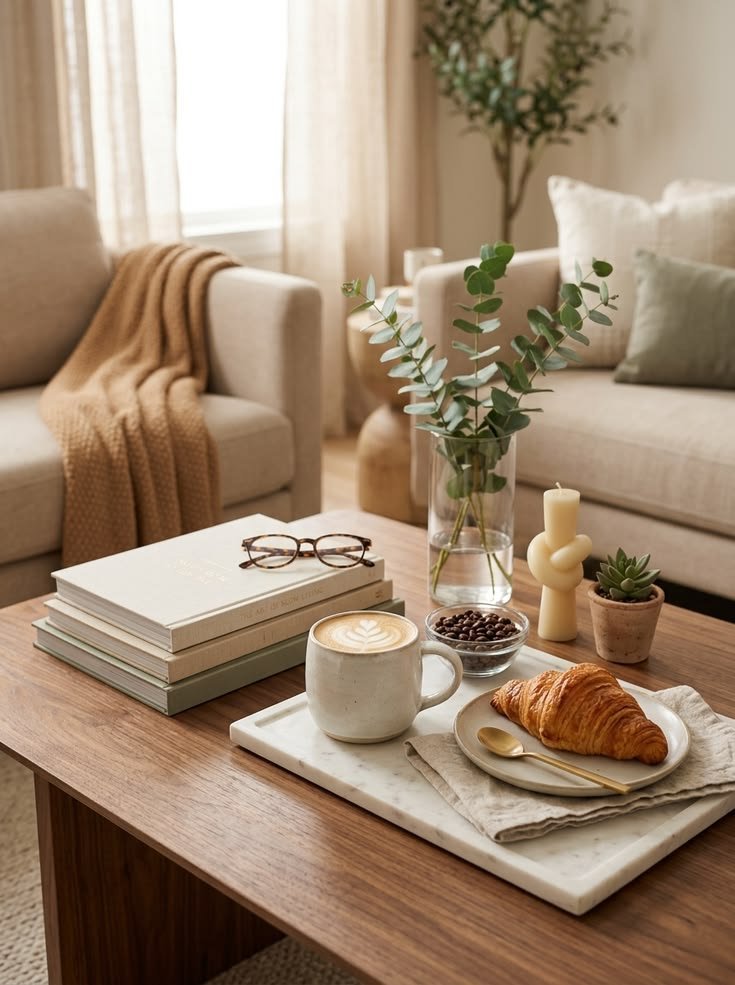
Keep the stack low enough that it doesn’t become a nuisance during meals. If you’re using books that you actually read, avoid putting the ones you need most often at the bottom.
This idea is also a good way to bring color into a dining room without buying new accessories. A few book covers in a color that already appears in the room can make the table feel more connected to the rest of the space.
8. A Shallow Bowl With Decorative Objects
If you want something that looks finished without requiring much maintenance, a shallow bowl is a useful starting point.
You can fill it with wooden beads, small stones, pine cones, or other decorative objects that suit the room. The bowl keeps everything contained, while the texture of the contents adds interest.
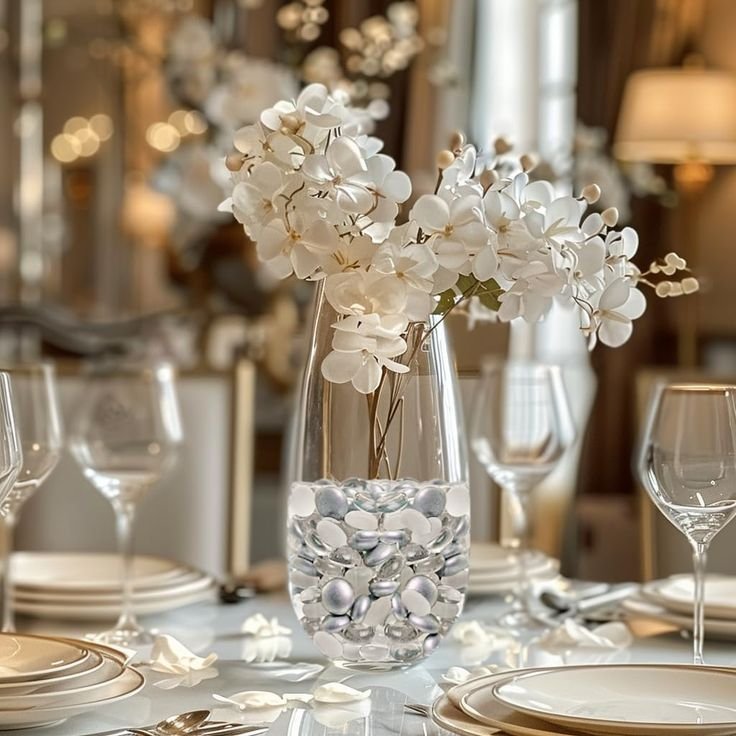
For a more natural look, choose objects in a limited color range. A bowl filled with warm wood tones and a few neutral pieces will usually look more cohesive than one filled with lots of unrelated colors.
This is a good option for a table that already has a lot of visual activity, such as patterned chairs, a colorful rug, or a statement light fixture. The bowl adds a little interest without competing with the rest of the room.
9. A Centerpiece That Uses the Table’s Natural Material
Sometimes the best dining table centerpiece is one that works with the table rather than covering it up.
If you have a wooden table, try a simple arrangement of wood, ceramic, or stone. A small bowl, a few candles, or a low vase can bring out the warmth of the wood without hiding its grain.
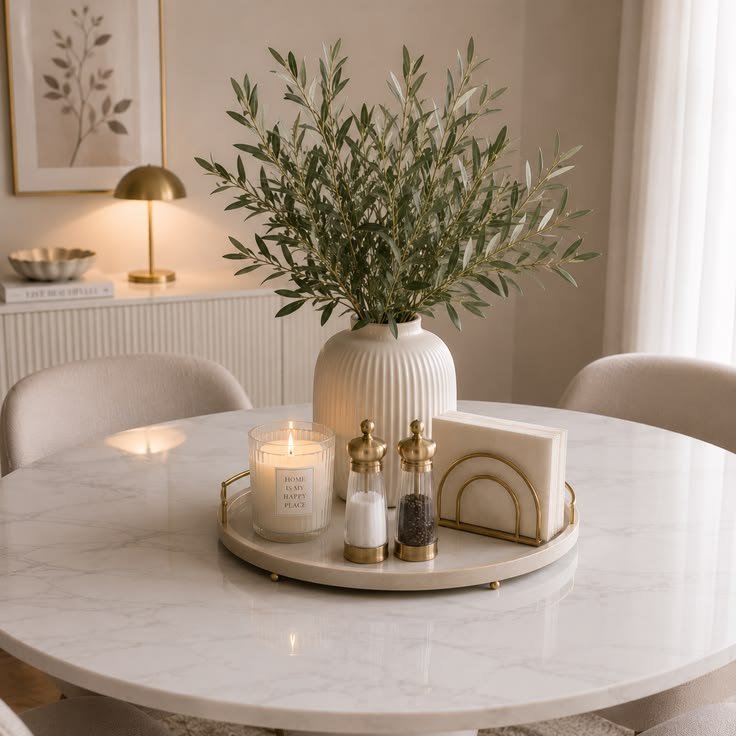
On a glass table, you might choose a more sculptural object or a simple arrangement with clean lines. On a painted table, a natural material such as wood or woven fiber can add contrast.
The idea is to let the table itself remain part of the decoration. You don’t need to fill every inch of the surface to make it feel finished.
10. A Small Herb Garden for the Kitchen-Dining Area
If your dining table is close to the kitchen, a few potted herbs can make a practical and attractive centerpiece.
Basil, rosemary, mint, and thyme are all useful options, depending on the light available. Place them in matching pots or a shallow planter, then keep the arrangement compact enough that it doesn’t interfere with meals.
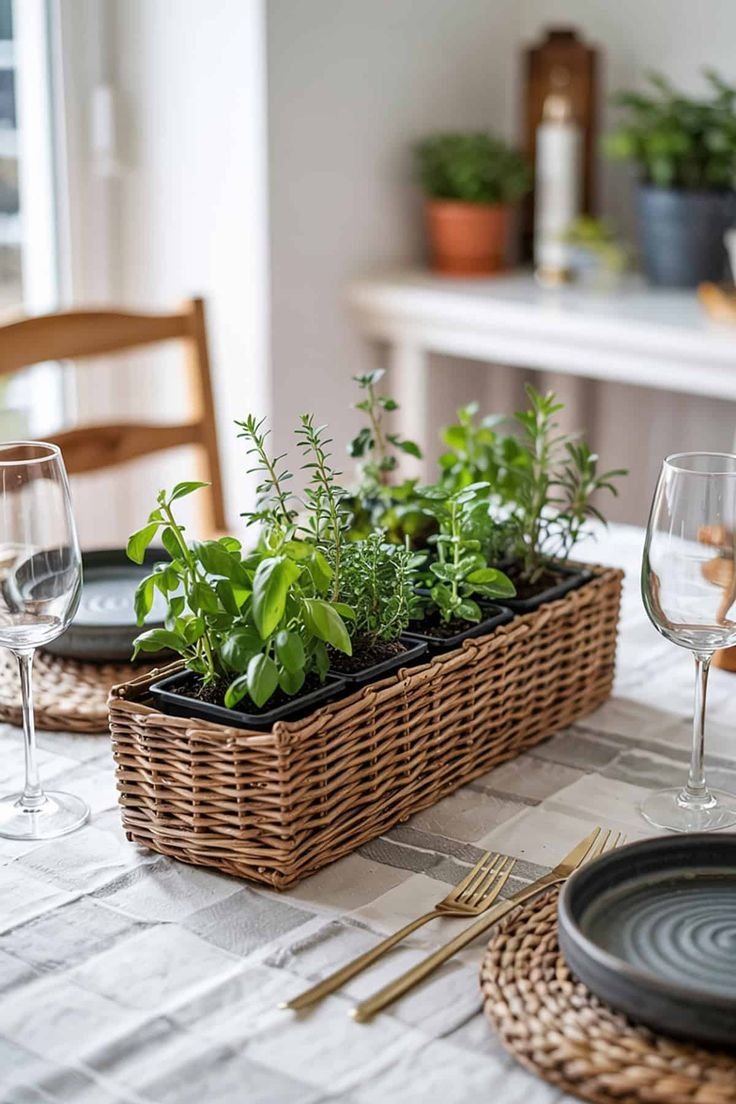
The benefit is that the greenery has a purpose. You can use the herbs while cooking, and the plants bring a little life to the table without needing cut flowers.
Just make sure the plants get the light they need. If your dining area is quite dark, you may be better off using a small vase of greenery or dried stems instead of trying to keep herbs alive in a spot that doesn’t suit them.
11. A Seasonal Arrangement That Doesn’t Feel Overdone
Seasonal decorating can be lovely, but it doesn’t have to mean covering the table in themed accessories.
For autumn, try a shallow bowl of pears, a few branches, or a simple arrangement in warm earthy colors. In winter, a small grouping of greenery and candles can create a cozy feel without becoming a holiday display.
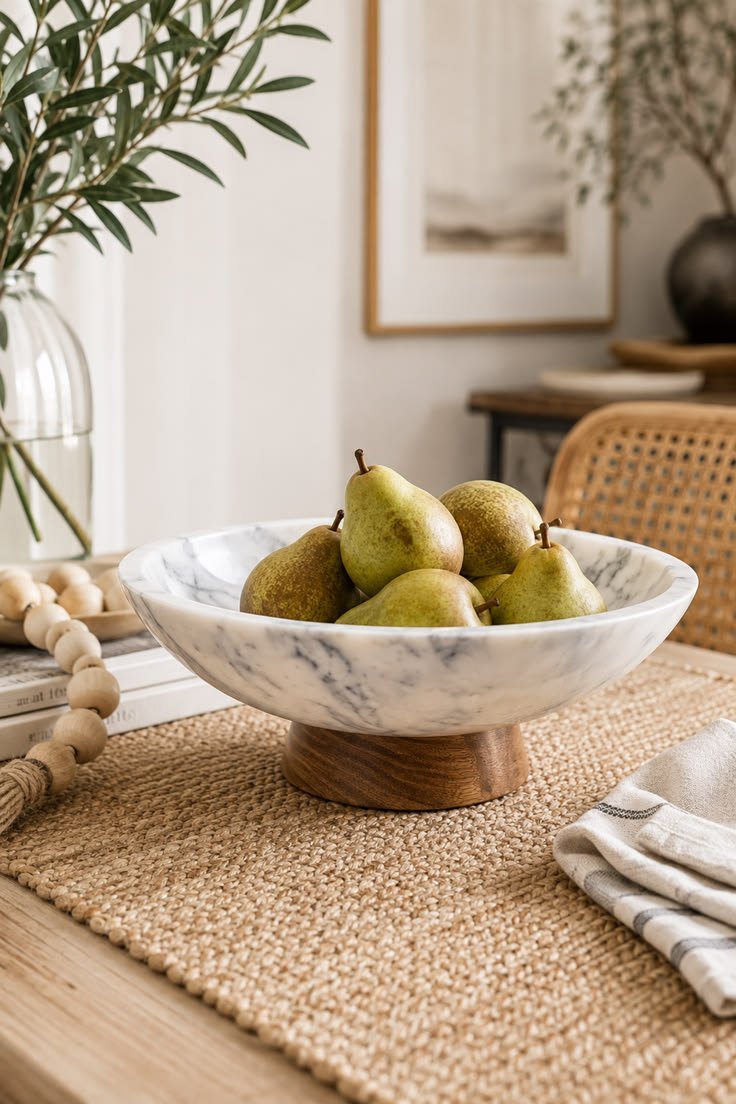
The trick is to choose one seasonal element and let it do most of the work. If you’re using pumpkins, for example, you don’t also need several signs, figurines, and matching napkins to make the table feel seasonal.
This approach is easier to maintain and usually looks more natural. It also means you can change the arrangement without buying a whole new set of decorations every few months.
12. A Centerpiece for a Small Dining Table
Small dining tables need a little more restraint. A centerpiece that looks lovely on a large table can quickly make a small one feel crowded.
Try one compact object in the center, such as a small vase, a low bowl, or a single candleholder. If you want to add a second piece, choose something that can sit beside it without taking up much space.
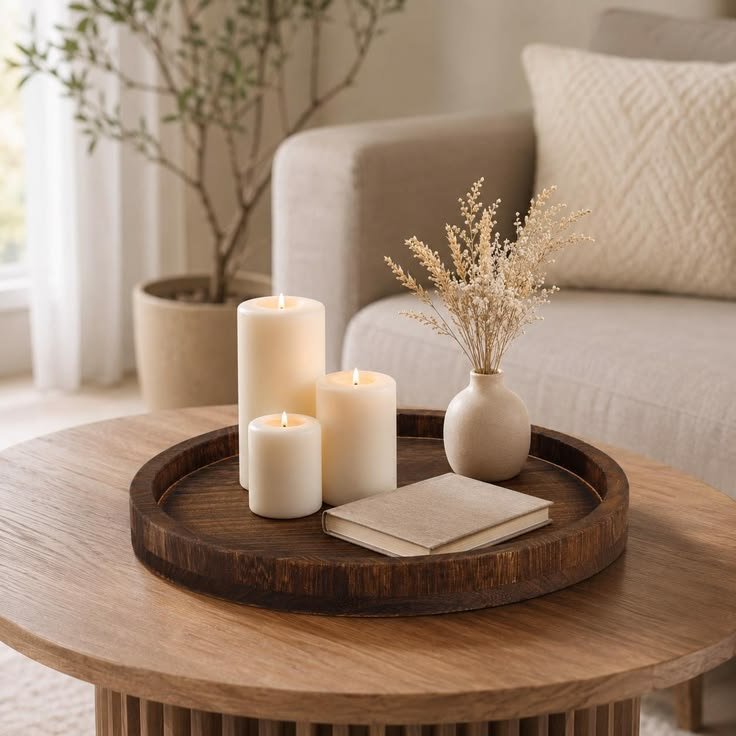
A round table often looks best with a single central arrangement, while a small rectangular table may suit a narrow tray or a pair of low objects.
The goal is to keep enough clear space for plates, glasses, and serving dishes. A small table can still feel decorated, but it needs room to function.
13. A Centerpiece That Works With Limited Natural Light
If your dining room doesn’t get much sunlight, you don’t have to rely on plants or fresh flowers to make the table look inviting.
Try using materials that add warmth without needing light to thrive. Wood, ceramic, woven textures, and soft-colored candles can all help make a darker room feel more comfortable.
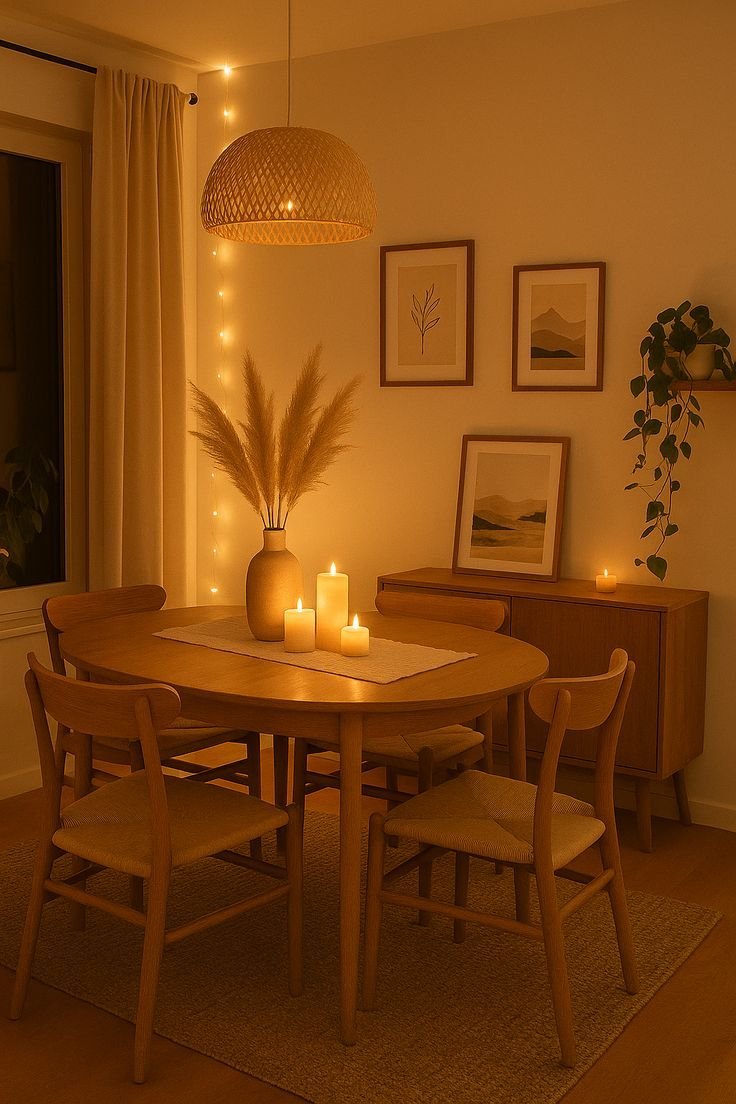
A small lamp on a nearby sideboard can also make a difference, especially if the dining room feels flat in the evening. You don’t need to put a lamp directly on the table if it would get in the way.
For the centerpiece itself, keep the colors relatively light if the room already feels dark. A cream bowl or pale ceramic vase can stand out more clearly than a very dark object.
14. A Centerpiece Made From Things You Already Own
Before buying anything new, look around your home for objects that could work together.
A small serving bowl, a candleholder from another room, a vase that’s been sitting in a cupboard, or even a decorative tray can become part of a new arrangement. The key is to group them in a way that feels deliberate.
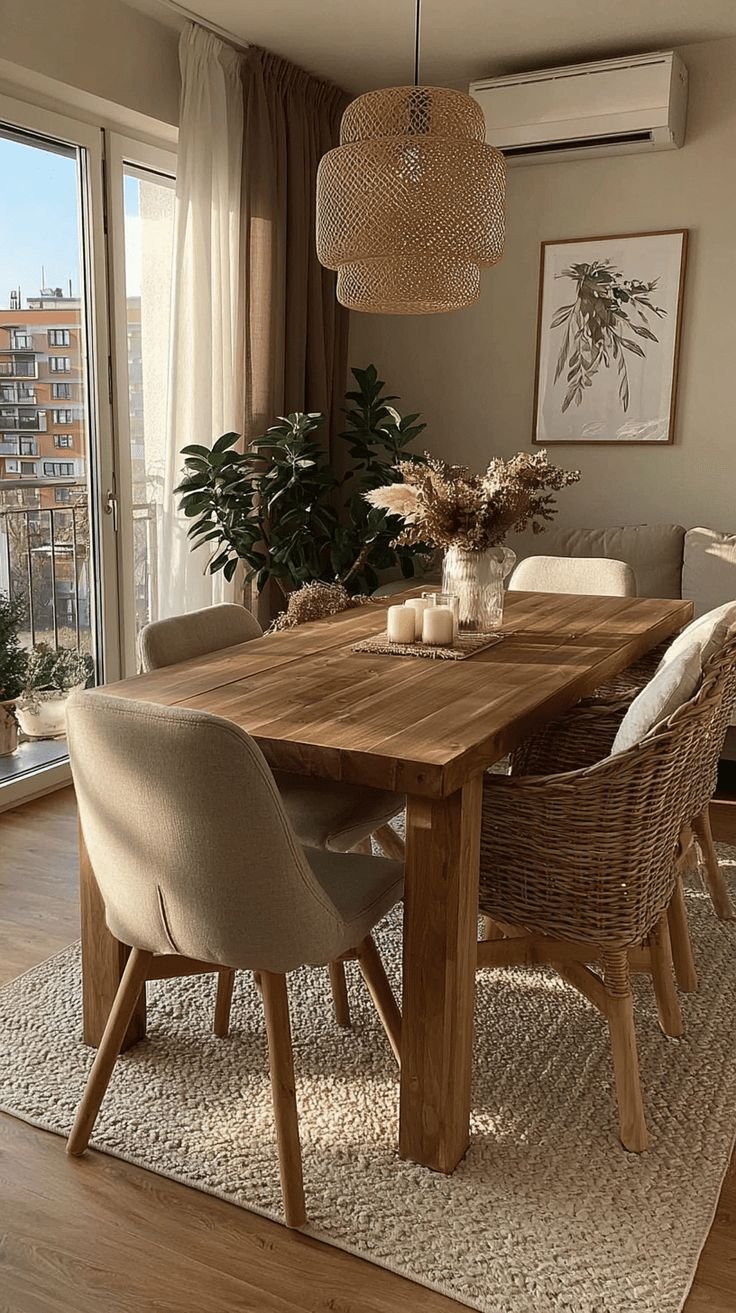
Try this simple formula:
- One object that adds height, such as a vase or candleholder.
- One object with a different shape, such as a bowl or tray.
- One object that adds texture, such as wood, woven fiber, or ceramic.
You don’t need all three if your table is small. Even two objects can work well if they have enough space between them.
This is also a good way to experiment before spending money. Move a few things around, take a photo, and see how the arrangement looks from the doorway. Sometimes the best centerpiece is simply the one that makes the table feel less cluttered.
How to Choose the Right Dining Table Centerpiece
The best dining table centerpiece ideas are the ones that suit the way you use your table. If you eat there every day, choose something low and easy to move. If the table is mostly used for occasional meals, you can be a little more decorative.
Think about the size of the table, the amount of natural light, and the colors already in the room. A centerpiece should add something, but it shouldn’t compete with the chairs, rug, or light fixture.
It’s also worth considering how much maintenance you want. Fresh flowers are lovely, but they need water and regular replacing. Dried branches, ceramic objects, and wooden trays can give you a similar sense of decoration with much less upkeep.
And don’t feel you have to fill the entire table. A little empty space is useful. It gives the arrangement room to breathe and makes the dining area feel more comfortable.
Common Centerpiece Mistakes to Avoid
A few small decorating mistakes can make even a nice arrangement feel awkward.
Too much height: If people can’t see across the table, the centerpiece is probably too tall. Lower arrangements are usually easier to live with.
Too many small objects: A collection of tiny items can look cluttered, especially on a table that’s already busy. Try grouping fewer, larger pieces instead.
Everything matching: Matching vases, candles, and bowls can look a little flat. A mix of materials or shapes usually feels more natural.
No room for food: If you have to move the entire arrangement every time you serve dinner, it may be too large. Keep the centerpiece compact or use a tray that can be moved easily.
Ignoring the rest of the room: A centerpiece doesn’t need to match everything, but it should feel connected to the colors and materials already in the space.
A good centerpiece should make the table feel more inviting, not more complicated.
A Dining Table That Feels Like Your Home
The nicest dining tables aren’t always the ones with the most decoration. Often, they’re the ones where the centerpiece feels like it belongs—something useful, something personal, or simply something that makes the room feel a little more finished.
Start with what you already have. Try a bowl of fruit, a few candles, or a small vase of greenery. If the table still feels too busy, remove something rather than adding more.
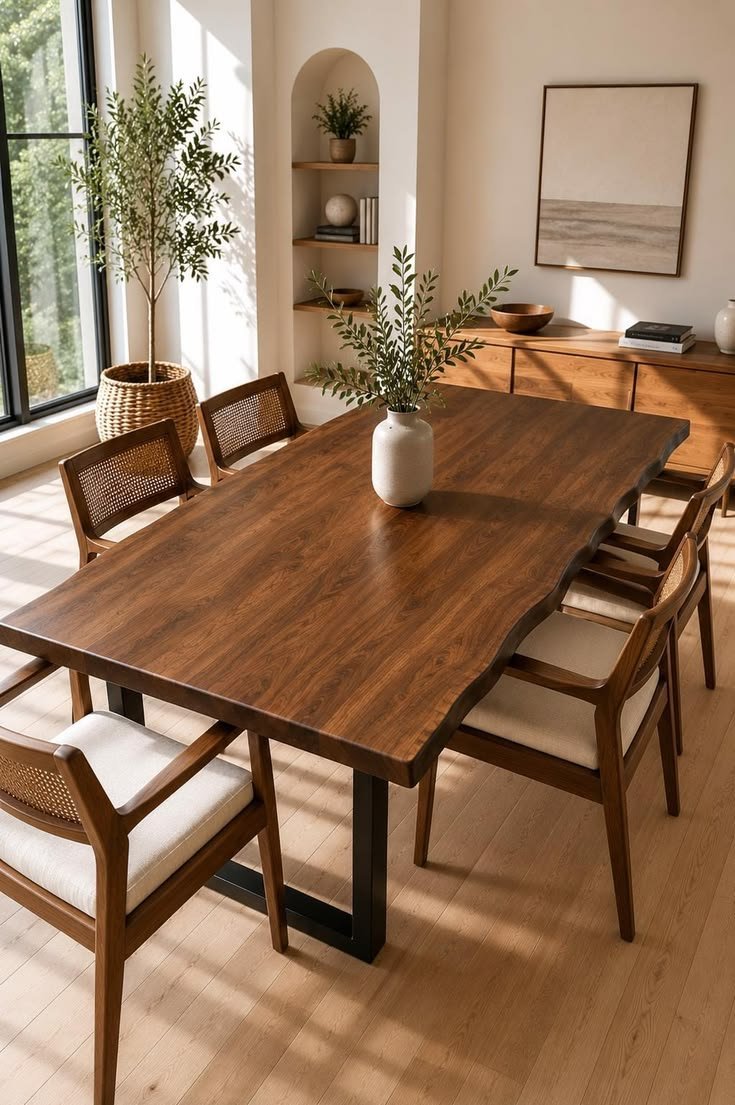
The right dining table centerpiece ideas don’t need to be expensive or elaborate. They just need to work with your space, your routine, and the way you want your home to feel when you sit down to eat.