Dining Room10 min read
10 Different Types of Placemats
Placemats are one of the smallest things on a dining table, but they do a surprising amount of work. They protect the surface from heat, scratches and spills, they mark out each place so the table feels set even when the meal is simple, and they change the look of a table in seconds. Swap a set of woven mats for crisp linen ones and the same dining room goes from relaxed weekend brunch to a proper dinner.
The catch is that placemats aren't all made for the same kind of life. A beautiful seagrass mat can be a nightmare under spaghetti sauce. A wipe-clean mat that saves your weeknights might look out of place at a holiday dinner. Pick the wrong type and it either gets ruined quickly or ends up in a drawer.
This guide covers 10 different types of placemats, from natural woven fibers and soft linen to cork, felt, faux leather and grippy silicone for kids. For each one you'll find what it does well, where it falls short, how to care for it, and how to style it, so you can choose placemats that suit the way you actually eat.
1. Woven Rattan and Seagrass Placemats
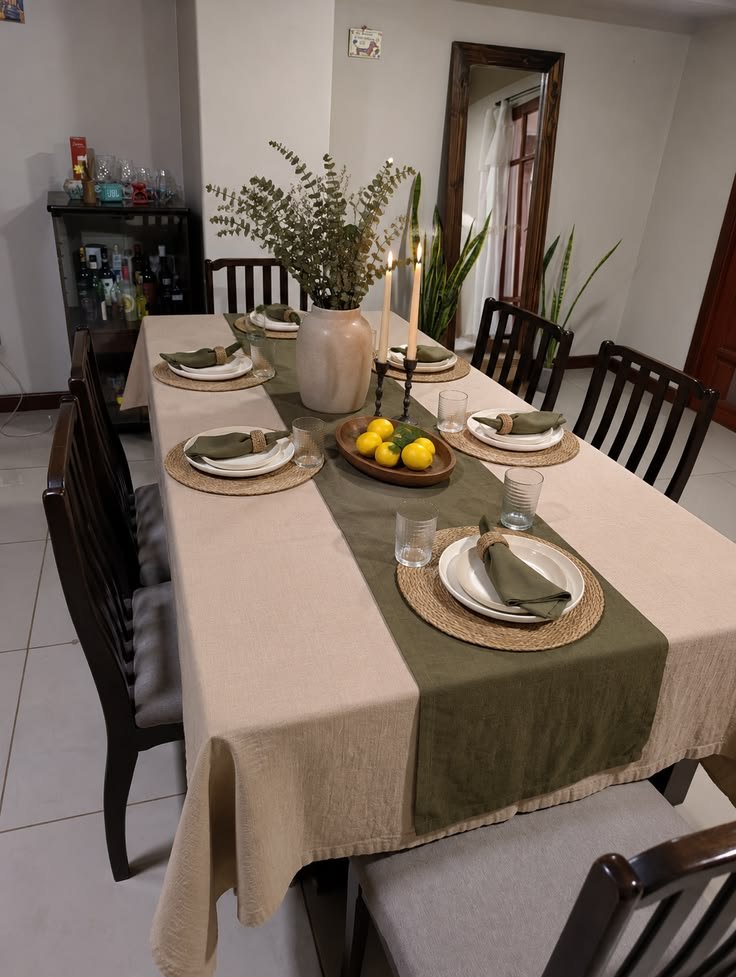
Round woven placemats made from rattan, seagrass or water hyacinth are one of the easiest ways to make a table look warm and relaxed. The natural texture works with almost any style, from coastal and boho to farmhouse and modern.
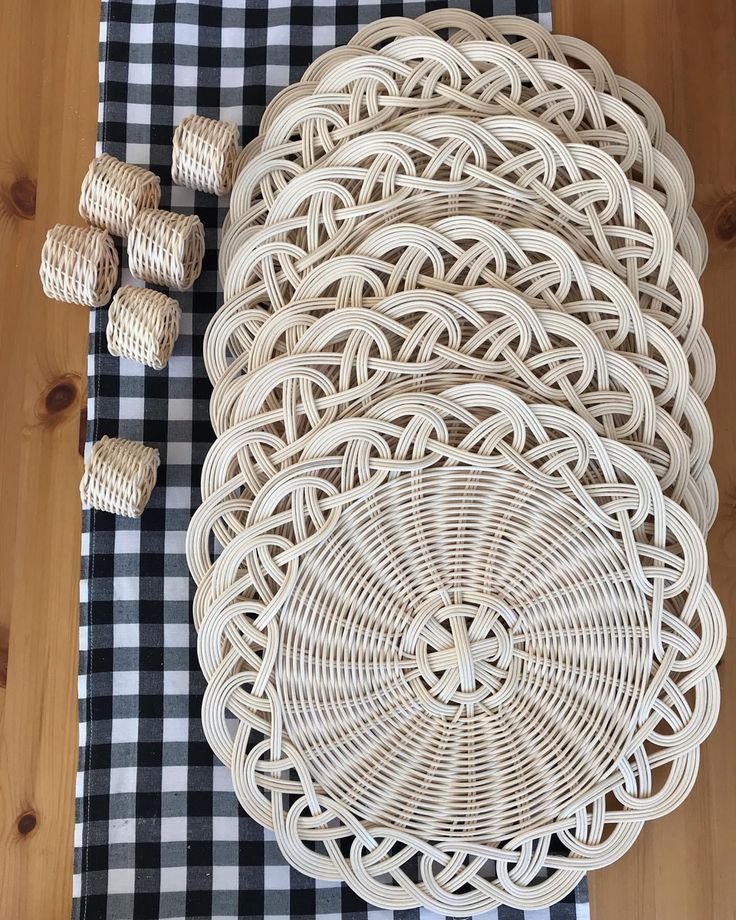
They're especially good on plain wooden or white tables, where the woven pattern adds interest without adding color. Pair them with simple white plates, linen napkins and a jar of greenery, and the table looks finished with very little effort.
The downside is cleaning. Most woven natural-fiber mats can't go in the washing machine. Crumbs shake out easily, but sauces and oily spills can seep into the weave. Wipe them gently with a damp cloth and a little mild soap, and let them dry completely before stacking them away so moisture doesn't get trapped.
A practical tip: use them with a cloth napkin or a small plate charger on top for messier meals. That protects the weave and adds another layer to the table.
Before buying, check the size against your plates. A round woven mat should be wide enough to leave a visible ring around a dinner plate, otherwise the texture disappears underneath and the mat looks like an afterthought. On a narrow table, round mats can also bump into each other, so measure how many will fit along each side with a little space in between.
2. Jute Placemats
Jute placemats have a chunkier, more rustic look than finer woven mats. Often braided into round or oval shapes, they bring an earthy, handmade feel that suits farmhouse, rustic and boho dining rooms.
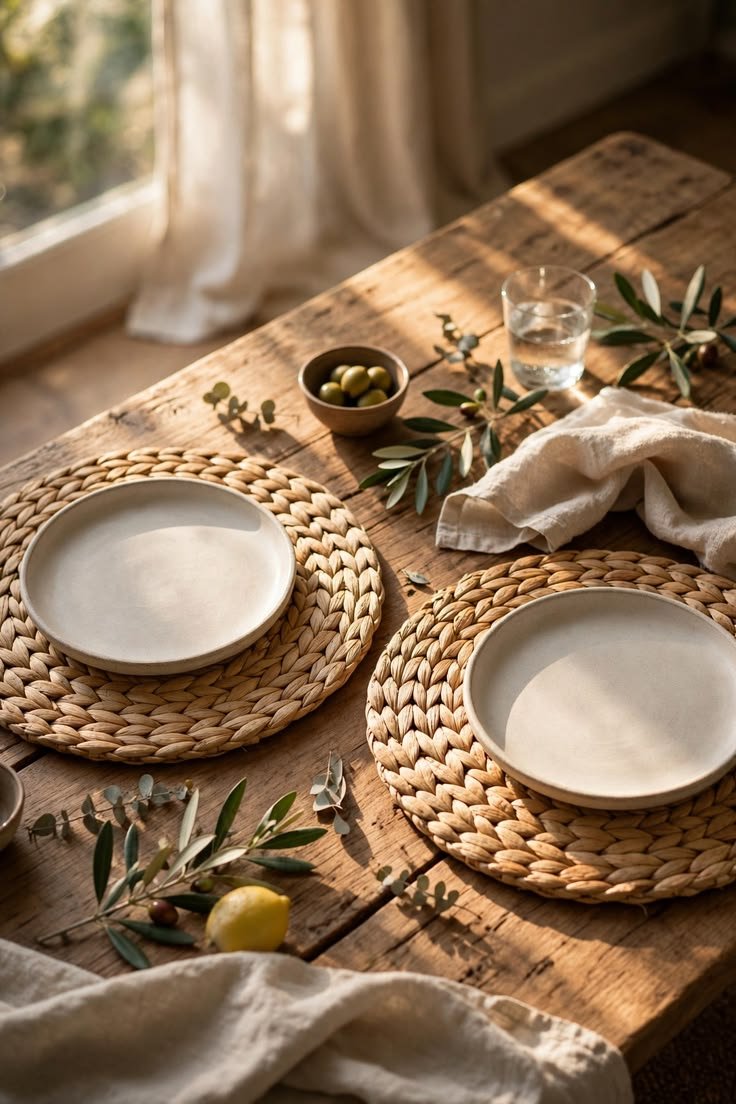
Their thick texture makes a big visual impact, so they look particularly good on large wooden tables, where finer mats might look lost. They also pair nicely with stoneware plates, wooden serving boards and simple glass tumblers.
Jute is absorbent, which means liquid spills can soak in and leave marks if you don't deal with them quickly. Blot spills straight away rather than rubbing, and avoid soaking jute mats in water, since it can weaken the fibers and affect their shape.
If you love the look but have young children or eat a lot of saucy meals, consider keeping jute placemats for weekends and guests, and using something easier to clean during the week.
3. Linen Placemats
Linen placemats have a soft, slightly crinkled texture that makes a table look effortlessly elegant. They're one of the most versatile types, because they can look casual and relaxed or polished and dressy depending on how you style them.
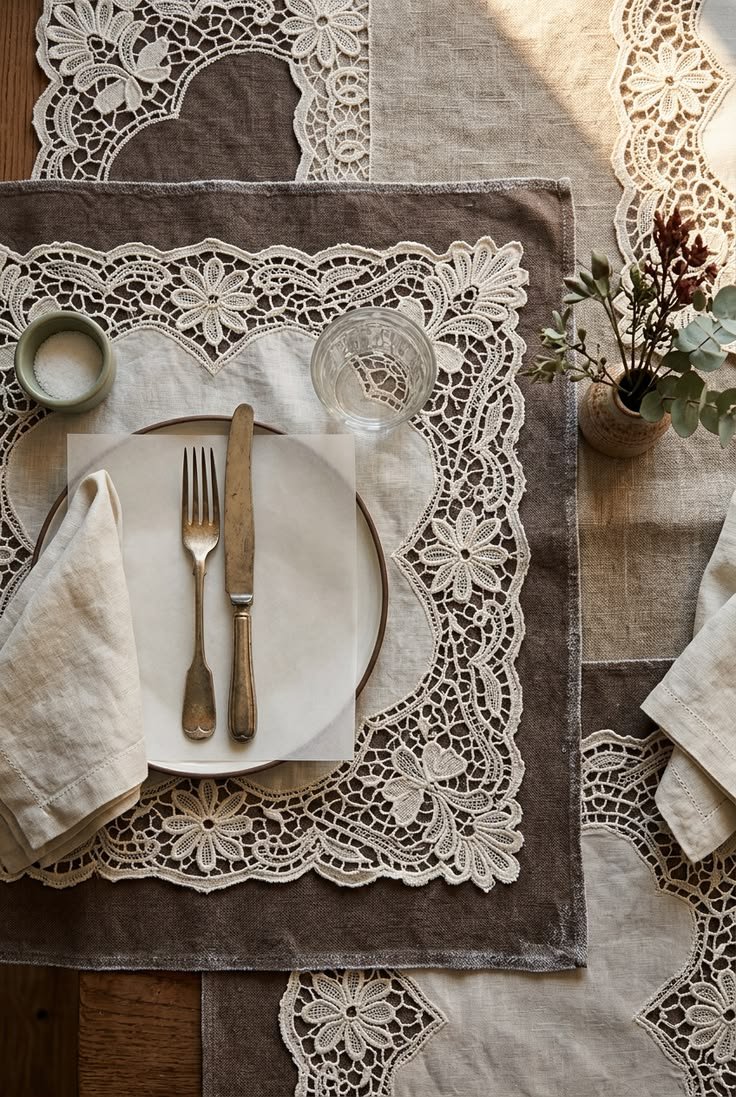
Linen is usually machine washable, which makes it practical for regular use. It also tends to get softer with every wash. If you like a crisp look, iron the mats while they're still slightly damp. If you prefer a relaxed look, simply shake them out and let them dry flat.
Neutral colors such as oatmeal, white, sage and charcoal are easy to mix with other tableware. For more color, linen often comes in muted shades like terracotta, dusty blue or soft rose, which look lovely with white dishes.
To make linen placemats feel special, add matching or contrasting linen napkins. A coordinated set instantly makes even a weeknight meal feel considered.
4. Cotton Placemats
Cotton placemats are the everyday workhorse. They're soft, usually machine washable and available in almost every color and pattern, which makes them easy to swap with the seasons or to match a new set of dishes.
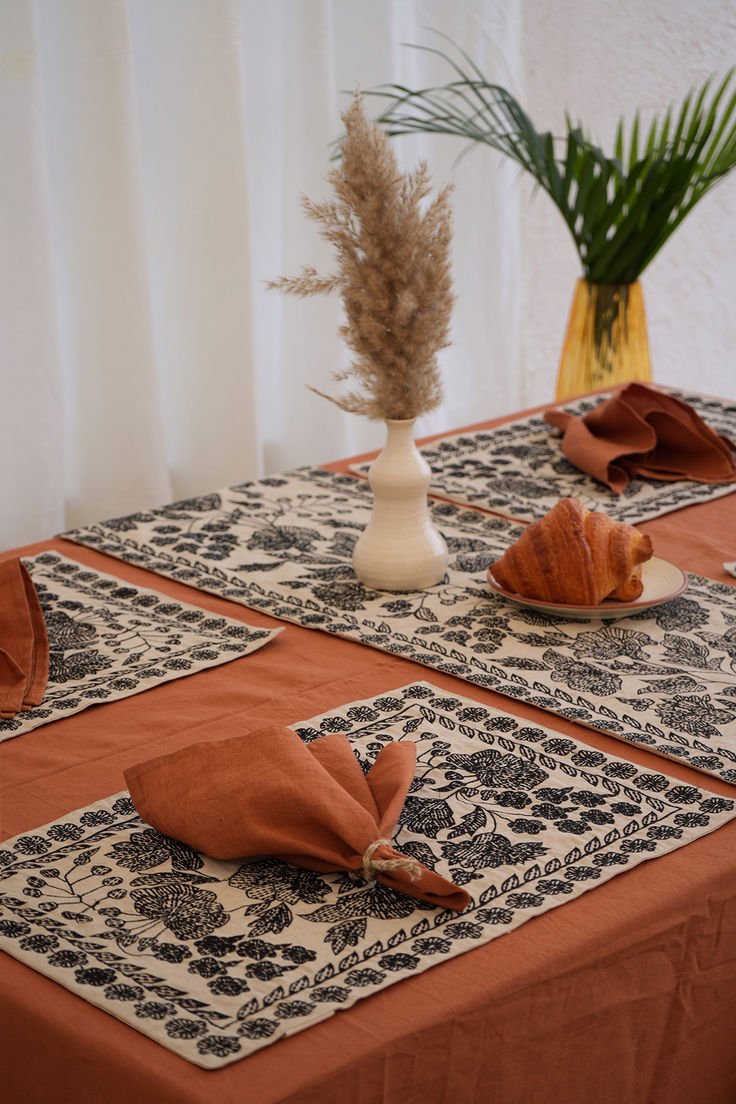
They're a good choice for families and anyone who eats at the dining table every day. Crumbs shake off, and most stains come out in the wash if you treat them reasonably quickly.
Cotton placemats come in many styles: plain woven, quilted, striped, checked and printed. Quilted cotton mats are especially practical, because the padding gives a little extra protection against warm plates and helps reduce the clatter of dishes on a hard table.
Since they're affordable, cotton placemats are an easy way to experiment. Try a bold pattern or a seasonal color you might not commit to in a more expensive material.
If you're mixing patterns, keep one element plain. Patterned cotton placemats look best with solid-colored plates and napkins, while plain placemats give you room to bring in patterned dishes. Two busy patterns on top of each other tend to compete rather than complement.
5. Wipe-Clean Vinyl Placemats
Vinyl placemats are the low-stress option. Spills, crumbs and sticky fingers wipe off with a damp cloth, which makes them ideal for busy households, young children and quick weeknight dinners.
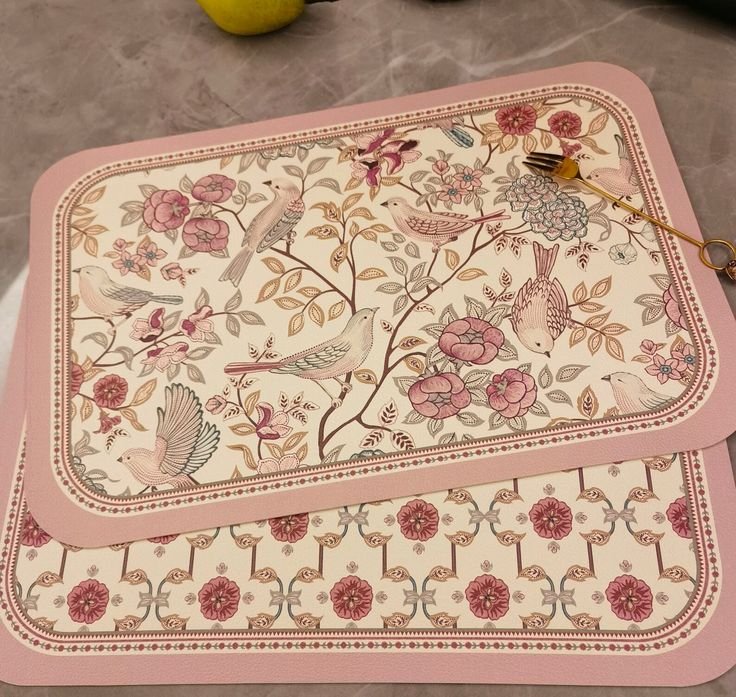
Many vinyl placemats are designed to look like woven materials, so you can get the texture of a natural mat without the cleaning worries. Others come in bold prints or solid colors that add a cheerful touch to a kitchen table.
They do have limits. Some vinyl can mark or warp under very hot dishes, so use trivets for pots and baking dishes straight from the oven. Store them flat rather than folded, since creases can be hard to remove.
For a more polished look, choose woven-effect vinyl in a neutral color, such as natural, gray or black. It looks much closer to a fabric or fiber mat and works well in a dining room as well as a kitchen.
6. Faux Leather Placemats
Faux leather placemats have a smooth, sleek look that suits modern, minimalist and slightly luxurious dining rooms. They come in colors like cognac, black, gray and cream, and many are reversible, giving you two looks in one.
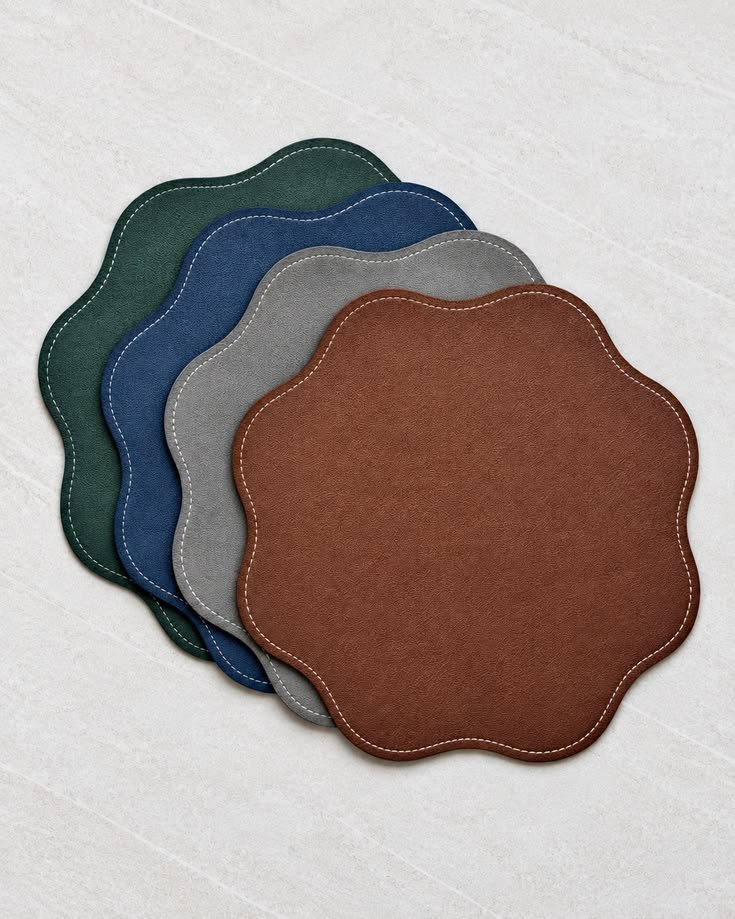
They're easy to care for. Most can be wiped clean with a damp cloth, which makes them practical for everyday use while still looking sophisticated. Their structured shape also means they lie flat and don't wrinkle or slide around much.
Warm cognac or caramel tones look especially good on light wood or white tables, while black and charcoal suit darker, moodier dining rooms. Pair them with simple white or matte black plates for a clean, modern look.
As with vinyl, it's best to keep very hot pans off faux leather. Use a trivet or wooden board under anything straight from the stove or oven.
7. Cork Placemats
Cork placemats bring a natural, warm look with a slightly Scandinavian feel. Cork is lightweight and has a soft, slightly springy surface, which helps protect the table from warm plates and reduces the noise of dishes being set down.
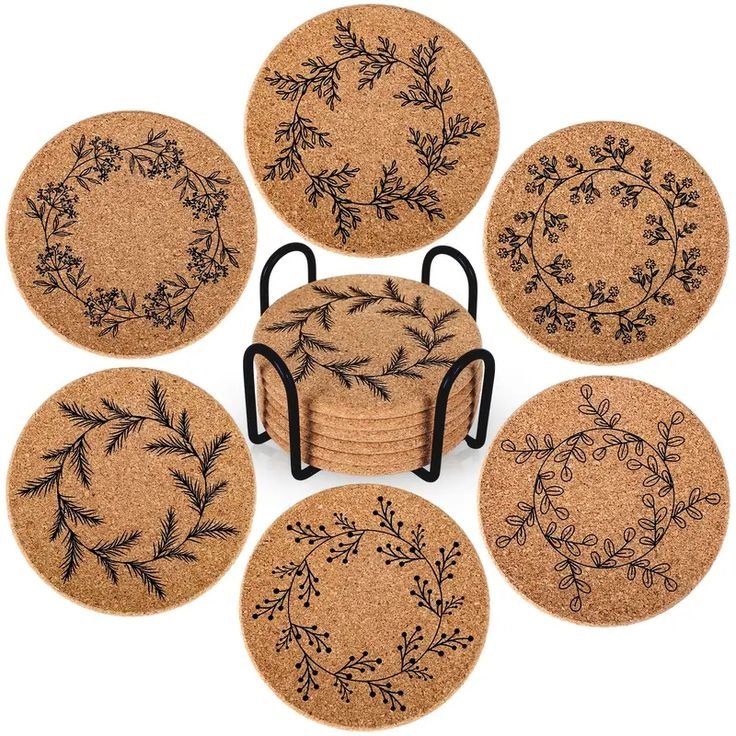
They work well in relaxed, modern homes, especially paired with light woods, white ceramics and simple glassware. Cork also has a lovely natural color that looks good with almost any plate.
Cork can absorb liquids and oils, so spills may leave marks if they're not wiped up quickly. Clean cork placemats with a damp cloth and let them dry naturally. Some cork mats come with a sealed or coated surface, which makes them easier to keep clean.
Cork placemats are also a good option for coffee tables and desks, where they protect surfaces from mugs and laptops as well as plates.
8. Felt Placemats
Felt placemats are soft, thick and quietly stylish. They're often made from wool felt or synthetic felt, and they come in clean, modern shapes and muted colors like gray, charcoal, oatmeal and sage.
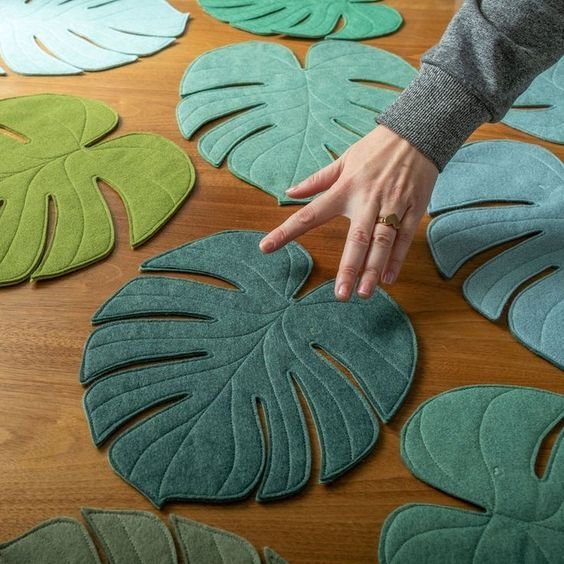
Their thickness makes them good at protecting tables from scratches, warm dishes and the clatter of cutlery. They have a calm, minimal look that suits Scandinavian, Japandi and modern interiors.
The main drawback is cleaning. Felt can absorb spills and hold onto crumbs, and many felt placemats aren't suitable for the washing machine. Spot clean them with a damp cloth, follow the care instructions, and let them dry fully before using them again.
Felt works best for adults and calmer meals rather than messy family dinners. It's also lovely for coffee tables and sideboards, where it protects the surface under decorative objects.
9. Bamboo Placemats
Bamboo placemats are made from thin slats of bamboo, often held together with string or thread so they can roll up. They have a light, natural look that suits Asian-inspired, coastal, tropical and Japandi dining rooms.
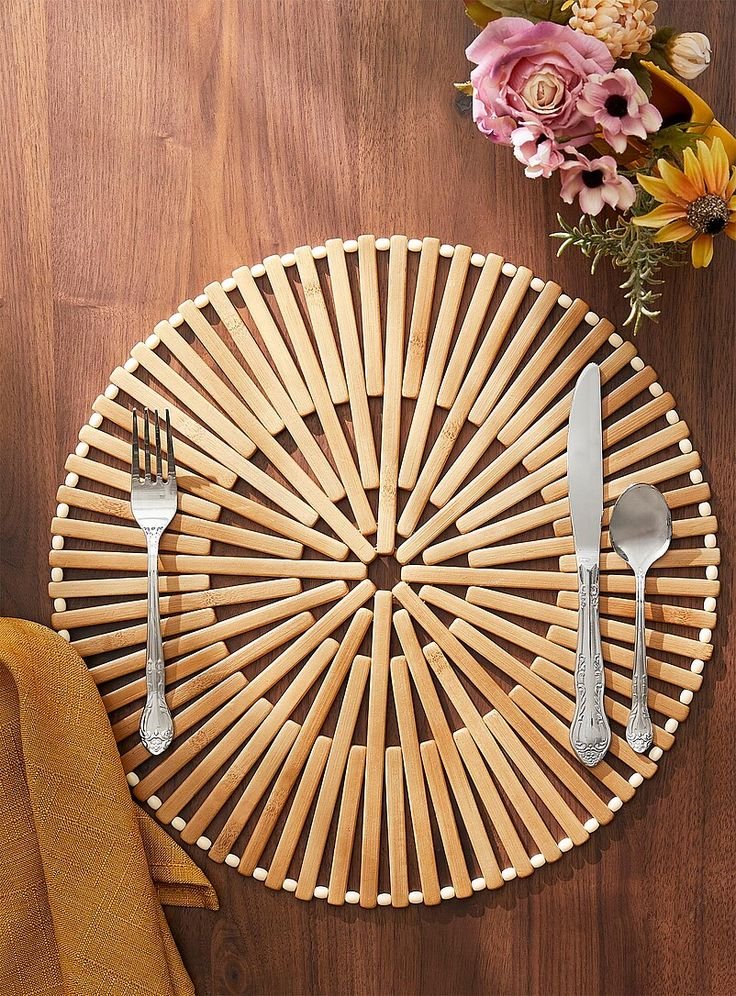
They're lightweight, easy to store and generally simple to clean. Most can be wiped down with a damp cloth. Like other natural materials, it's best not to soak them or leave them wet for long.
Bamboo placemats look particularly good with simple ceramic bowls, chopsticks and minimal centerpieces, such as a single stem in a small vase or a shallow bowl of fruit.
Because they roll up, bamboo mats are also handy if you're short on storage. A set takes up very little room in a drawer, which makes them a practical choice for small apartments.
Bamboo also layers well. Try a bamboo mat under a round woven charger or a linen napkin in a soft color. The combination of fine slats and a different texture on top makes a simple table setting look thoughtfully put together, without needing anything expensive.
10. Silicone Placemats for Kids
Silicone placemats are designed with messy eaters in mind. They're soft, flexible and often slightly grippy, so they stay in place on the table rather than sliding around when little hands grab them.
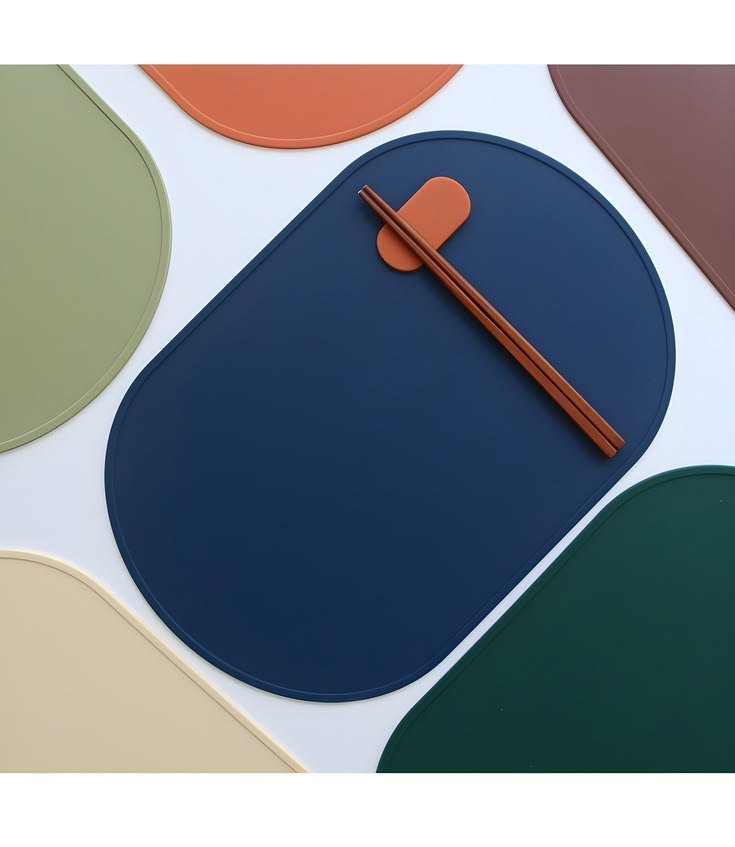
Many silicone placemats have raised edges to catch spills, built-in sections for different foods, or fun shapes and colors that make mealtimes more appealing for children. Some are also dishwasher safe, but check the care instructions before putting them in.
They're very practical for toddlers and young children, protecting the table and making cleanup much faster. They also work well for crafts, painting and play dough, so they often get used far beyond mealtimes.
To keep a family table looking cohesive, choose silicone placemats in a soft, muted color that echoes the adult placemats, such as sage, sand or gray, rather than bright primary colors.
Choosing the Right Placemats for Your Table
The right placemats depend on how you use your dining table. For everyday family meals, cotton, vinyl and silicone are easy to clean and hard to ruin. Linen gives you a relaxed, elegant look that still goes in the washing machine.
If you love natural texture, woven rattan, jute, cork and bamboo bring warmth and character, as long as you're happy to wipe them carefully rather than wash them. Faux leather adds a sleek, modern finish, while felt is quiet, soft and protective.
Many homes end up with two sets: a practical, easy-clean set for weeknights and a prettier set for weekends and guests. Start with the one you'll use most, and build from there.